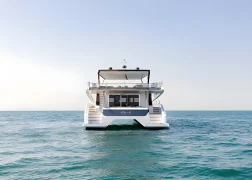
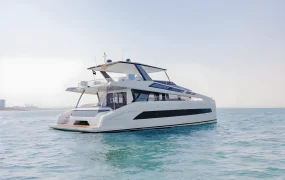
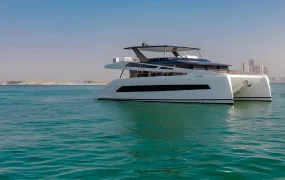
Why Safety Is a Top Priority for Yacht Rentals in Dubai
Renting a yacht in Dubai is one of the most exciting experiences the city has to offer. The stunning coastline, modern marina facilities, and crystal clear waters of the Arabian Gulf create a perfect setting for leisure cruises, celebrations, and corporate events. However, like any water based activity, yacht cruises require attention to safety protocols and regulations to ensure every guest returns to shore with nothing but positive memories.
Dubai’s maritime authorities maintain strict safety standards for all commercial yacht operations. These regulations exist to protect both guests and crew, and reputable yacht rental companies adhere to them without exception. Understanding these rules and following basic safety tips will help you enjoy your yacht rental Dubai experience with complete peace of mind.
This guide covers everything you need to know about yacht rental safety in Dubai, from regulatory requirements and onboard equipment to practical tips for guests of all ages.
Dubai Maritime Regulations for Yacht Rentals
Licensing and Registration Requirements
Every commercial yacht operating in Dubai waters must be registered with the Dubai Maritime City Authority (DMCA) and hold a valid operating license. This license confirms that the vessel meets specific safety standards, including structural integrity, engine maintenance, and onboard safety equipment. When booking a yacht rental, you have every right to ask for proof of licensing, and reputable operators will provide this information readily.
The captain and crew operating the yacht must also hold valid maritime licenses. In Dubai, commercial yacht captains are required to undergo training and certification that covers navigation, emergency procedures, first aid, and passenger safety management. These certifications are renewed periodically, ensuring that the crew remains up to date with current safety protocols.
Passenger Capacity Limits
Every licensed yacht in Dubai has a certified maximum passenger capacity. This number is determined by the vessel’s size, design, and safety equipment allocation. Exceeding this limit is not only illegal but also poses serious safety risks, as it can affect the yacht’s stability and the availability of emergency equipment for all guests.
“We never exceed the certified passenger capacity on any of our yachts. It is not just a regulation; it is a fundamental safety principle. Every guest on board must have access to a life jacket and be accounted for in our safety procedures.” — Kristan De Graaf, Co-Founder, Elite Rentals Dubai
Navigation Rules and Restricted Areas
Dubai has clearly defined navigation channels, speed limits, and restricted areas that all vessels must observe. The waters around Palm Jumeirah, Dubai Marina, and the World Islands have specific speed restrictions designed to protect both yacht passengers and other water users. Your captain will be fully trained in these regulations and will navigate accordingly.
Certain areas near military installations, desalination plants, and port facilities are off limits to pleasure craft. Your yacht crew will be aware of these zones and will plan your route to avoid them while still maximizing your scenic experience.
Safety Equipment Required on Every Yacht
Life Jackets and Personal Flotation Devices
Dubai maritime regulations require that every yacht carries enough life jackets for every person on board, including both guests and crew. These life jackets must be in good condition, properly maintained, and readily accessible. For yachts that welcome children, appropriately sized child life jackets must also be available.
At the start of your cruise, the crew should point out the location of life jackets and demonstrate how to wear them correctly. If this briefing does not occur, do not hesitate to ask for it. A good crew will always prioritize this information.
Fire Safety Equipment
All commercial yachts must carry fire extinguishers that are serviced regularly and strategically placed throughout the vessel. Larger yachts may also have fire suppression systems in the engine room and galley areas. The crew is trained to use this equipment and to manage fire emergencies effectively.
Guests should be aware of basic fire safety practices while on board. Smoking should only take place in designated areas, and guests should never leave cigarettes unattended. If cooking facilities are available, follow any guidelines provided by the crew regarding their use.
First Aid and Medical Equipment
A comprehensive first aid kit is mandatory on all commercial yachts in Dubai. This kit should include bandages, antiseptics, seasickness medication, and other basic medical supplies. On larger yachts, more extensive medical equipment may be available, including automated external defibrillators (AEDs).
If you or any member of your group has specific medical conditions, allergies, or requires particular medications, inform the yacht operator at the time of booking. This allows the crew to prepare appropriately and ensures they can respond effectively in case of a medical situation.
Communication and Navigation Equipment
Every commercial yacht must carry functional VHF radio equipment for communication with the coast guard and other vessels. GPS navigation systems, radar (on larger vessels), and depth sounders are standard equipment that helps the captain navigate safely and maintain awareness of surrounding conditions.
In the event of an emergency, the crew can contact the Dubai coast guard directly via radio. The coast guard maintains a rapid response capability along the Dubai coastline, providing an additional layer of security for yacht guests.
Pre Cruise Safety Briefing: What to Expect
The Standard Safety Briefing
Before your yacht departs the marina, the crew should conduct a safety briefing for all guests. This briefing typically covers the location of life jackets, emergency exits, fire extinguishers, and assembly points. The crew will also explain the procedures for man overboard situations and how to signal for help if needed.
This briefing may feel routine, especially if you have been on yacht cruises before. However, every vessel is different, and paying attention to the specific safety features and procedures of the yacht you are on is important for your wellbeing and that of your fellow guests.
“The safety briefing is non negotiable on our vessels. Even if guests have been on yachts many times before, we walk them through the safety points specific to that yacht. It takes just a few minutes and gives everyone confidence throughout the cruise.” — Miss Sara, Booking Manager, Elite Rentals Dubai
Children and Non Swimmers
If your group includes children or non swimmers, inform the crew before departure. The crew can provide additional safety guidance specific to these guests, including recommending that children wear life jackets at all times while on deck. Designated swimming stops will be managed with extra caution, and the crew can position themselves to monitor less confident swimmers.
Many yachts have areas that are more suitable for children, such as enclosed saloon spaces and lower deck areas with railings. The crew can guide your family to these zones and help ensure children are supervised in appropriate areas throughout the cruise.
Swimming and Water Activities: Safety Guidelines
Swimming from the Yacht
Swimming stops are one of the highlights of a yacht cruise in Dubai. The warm, clear waters of the Arabian Gulf invite guests to take a refreshing dip, especially during the warmer months. However, swimming from a yacht requires awareness of certain safety considerations.
Always wait for the captain to confirm that the yacht is anchored securely and the engines are turned off before entering the water. Swimming near running engines or propellers is extremely dangerous and must be avoided at all times. The crew will typically lower a swimming ladder and designate a safe swimming area around the yacht.
Stay within the designated swimming area and within sight of the crew at all times. If currents are present, the crew will advise you and may restrict swimming activities for safety reasons. Never swim alone, and always ensure someone on the yacht is watching swimmers.
Water Sports Safety
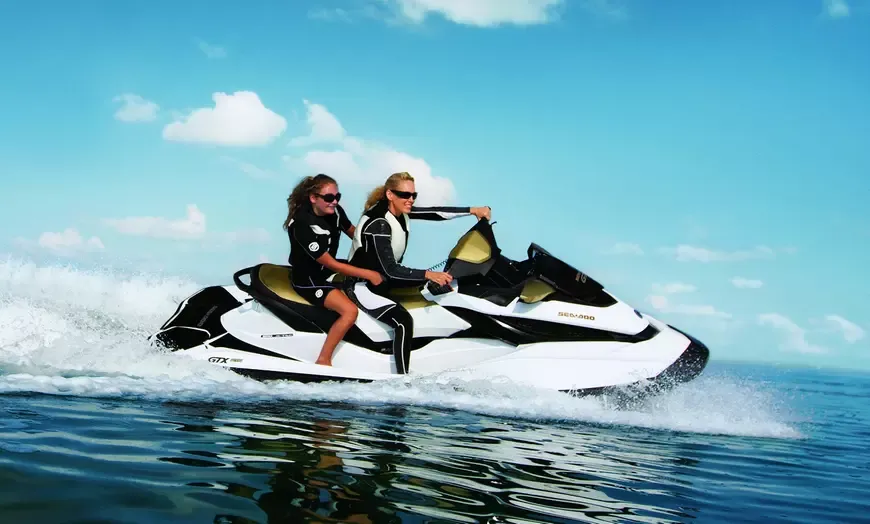
Many yacht rentals in Dubai offer water sports equipment such as jet skis, kayaks, paddleboards, and inflatable toys. Each piece of equipment comes with its own safety considerations. Jet skis in particular require careful handling and should only be operated by experienced riders or under the guidance of trained crew members.
Life jackets are mandatory for all water sports activities. Even strong swimmers should wear a personal flotation device when using jet skis, kayaks, or similar equipment. The crew will provide instructions on how to use each piece of equipment safely before you begin.
Snorkeling and Diving
Snorkeling is a popular activity during yacht cruises, particularly near the World Islands and along sheltered coastal areas. Basic snorkeling does not require certification, but guests should be comfortable in the water and aware of their surroundings. The crew can provide guidance on snorkeling techniques and point out areas with the best visibility and marine life.
Scuba diving from a yacht requires proper certification and equipment. If you plan to dive during your cruise, this must be arranged in advance with the yacht operator. Diving activities are typically managed by licensed dive operators who coordinate with the yacht crew to ensure safety protocols are followed.
Food and Beverage Safety on Board
Catering and Food Handling
If your yacht rental includes catering, the food preparation must meet Dubai Municipality health and safety standards. Reputable catering providers maintain proper food storage, preparation, and serving temperatures to prevent foodborne illness. If you have dietary restrictions or allergies, communicate these clearly at the time of booking.
When bringing your own food on board, consider the impact of heat and sun exposure on perishable items. Coolers and refrigeration should be used to keep food at safe temperatures, especially during summer months when temperatures can exceed 40 degrees Celsius.
Alcohol Consumption
Alcohol is permitted on licensed yachts in Dubai’s waters. However, responsible consumption is essential for safety. Excessive alcohol consumption impairs judgment and coordination, increasing the risk of accidents both on deck and in the water. Guests who have been drinking should exercise extra caution around railings, stairs, and swimming areas.
The crew has the authority to intervene if alcohol consumption creates a safety risk on board. This is not about limiting enjoyment but about ensuring every guest returns safely. Staying hydrated with water alongside any alcoholic beverages is strongly recommended, especially in warm weather.
Sun and Heat Safety During Your Cruise
Protecting Yourself from the Sun
Dubai’s sun is intense, particularly from May through September. Even during the cooler winter months, UV levels can be significant, especially when reflected off the water. Sunburn can occur quickly on a yacht, as the combination of direct sunlight, water reflection, and sea breeze can mask the intensity of UV exposure.
Apply high SPF sunscreen (at least SPF 30) before boarding and reapply every two hours, particularly after swimming. Wear a hat and UV protective sunglasses to protect your face and eyes. Lightweight, long sleeved clothing can provide additional protection without causing discomfort.
Staying Hydrated
Dehydration is a real risk during yacht cruises in Dubai, especially during the warmer months. The combination of sun exposure, wind, and physical activity can lead to fluid loss that is not immediately obvious. Drink water regularly throughout your cruise, even if you do not feel thirsty.
“We always stock plenty of water and encourage our guests to stay hydrated throughout the cruise. The sea breeze can make you feel cooler than you actually are, which is why dehydration can sneak up on people. We keep water accessible at all times.” — Julian De Graaf, Co-Founder, Elite Rentals Dubai
Recognizing Heat Related Illness
Be aware of the signs of heat exhaustion, which include excessive sweating, dizziness, nausea, headache, and rapid heartbeat. If anyone in your group shows these symptoms, move them to a shaded or air conditioned area immediately, provide cool water, and alert the crew. In severe cases, the crew can contact emergency medical services for assistance.
Yacht Etiquette That Supports Safety
Footwear and Movement on Deck
Yacht decks can be slippery, especially when wet. Wear soft soled, non marking shoes or go barefoot as recommended by the crew. Avoid running on deck, and use handrails when moving between levels or during any wave activity. High heels and hard soled shoes are generally not recommended on yachts as they can damage the deck and increase the risk of slipping.
Respecting the Crew’s Instructions
The crew on your yacht is trained to manage both routine operations and emergency situations. If the crew provides instructions related to safety, follow them promptly. This includes requests to move to specific areas of the yacht, wear life jackets, or avoid certain activities due to changing conditions.
Supervising Children at All Times
Children must be supervised by a responsible adult at all times during the yacht cruise. Railings, stairs, and open deck areas can pose risks for unsupervised children. Designate at least one adult in your group as a dedicated child supervisor, and ensure this person is aware of the yacht’s safety features and emergency procedures.
What to Do in an Emergency
Man Overboard Procedures
If someone falls overboard, shout “Man overboard” immediately and point at the person in the water continuously. Do not jump in after them unless you are trained to do so. The crew will initiate the man overboard recovery procedure, which includes stopping the yacht, deploying flotation devices, and maneuvering the vessel to recover the person safely.
Medical Emergencies
In the event of a medical emergency, alert the crew immediately. The crew will provide first aid and contact the coast guard for medical assistance if needed. Dubai’s coast guard maintains emergency response vessels that can reach most yacht cruising areas within minutes, and helicopter evacuation is available for serious situations.
Fire on Board
If you notice smoke or fire on the yacht, alert the crew immediately. Do not attempt to fight the fire yourself unless you are trained in fire extinguisher use. Move to the designated assembly point and follow the crew’s instructions. The crew is trained in fire fighting procedures and will manage the situation while ensuring all guests are safe.
Frequently Asked Questions
Are yacht rentals in Dubai safe?
Yes, yacht rentals in Dubai are regulated by the Dubai Maritime City Authority, which enforces strict safety standards for all commercial vessels. Licensed operators maintain their yachts to high standards, carry required safety equipment, and employ certified crew members trained in emergency procedures.
Do I need to know how to swim to go on a yacht cruise?
No, you do not need to know how to swim to enjoy a yacht cruise. Life jackets are available for all guests, and swimming stops are optional. If you are a non swimmer, inform the crew so they can provide extra safety guidance and ensure you are comfortable throughout the cruise.
What should I bring for safety on a yacht cruise?
Bring high SPF sunscreen, a hat, sunglasses, and comfortable non slip footwear. If you take regular medication, bring it with you. Inform the yacht operator of any medical conditions or allergies at the time of booking so the crew can prepare accordingly.
Can children go on yacht cruises in Dubai?
Yes, children are welcome on most yacht cruises in Dubai. Child sized life jackets are provided, and the crew can advise on the safest areas of the yacht for younger guests. Children must be supervised by a responsible adult at all times during the cruise.
What happens if the weather changes during a yacht cruise?
Yacht captains monitor weather conditions continuously. If conditions deteriorate during your cruise, the captain may adjust the route or return to the marina early to ensure passenger safety. In the event of a significant weather change, the coast guard may also issue advisories that the captain will follow.