Why Dubai is the Premier Destination for Custom Built Yachts
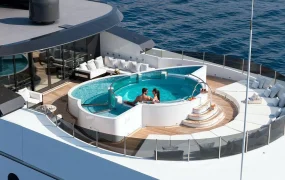
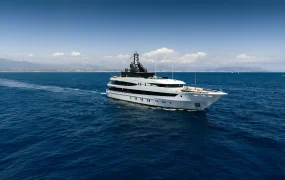
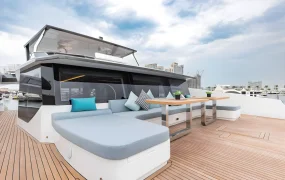
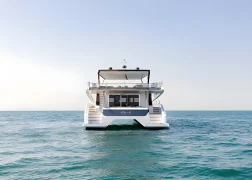
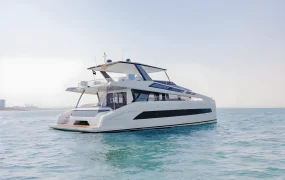
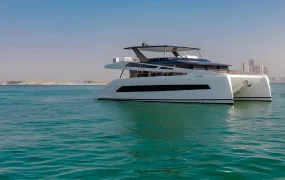
Dubai has firmly established itself as a global hub for luxury maritime experiences, and the custom yacht Dubai market is thriving like never before. With access to world class shipyards, internationally acclaimed naval architects, and an ecosystem of marine specialists, Dubai offers yacht enthusiasts the opportunity to design and build a vessel that is truly one of a kind. Whether you envision a sleek performance cruiser, a sprawling superyacht, or a family friendly explorer vessel, the custom build journey in Dubai combines innovation, craftsmanship, and personalized service at every stage.
The appeal of commissioning a custom built yacht extends far beyond aesthetics. When you build from scratch, you control every aspect of the design, from hull form and propulsion systems to interior layouts and onboard amenities. This level of personalization ensures that your yacht is not simply a vessel but a reflection of your lifestyle, your preferences, and your aspirations. At yacht for sale Dubai, Elite Rentals Dubai connects discerning buyers with the finest custom yacht builders and design professionals in the industry.
The Custom Yacht Design Process: From Concept to Blueprint
Building a custom yacht begins with a vision. The design process transforms that vision into a detailed set of plans that guide every aspect of construction. Understanding this process helps prospective owners appreciate the complexity and artistry involved in creating a bespoke vessel.
Initial Consultation and Requirements Brief
The journey starts with a comprehensive consultation where you outline your intended use for the yacht, your preferred cruising grounds, the number of guests and crew you wish to accommodate, and any specific features or amenities that are important to you. This requirements brief serves as the foundation for the entire project and informs every design decision that follows.
Key questions addressed during this phase include the yacht’s primary purpose (private cruising, entertaining, charter, long range exploration), preferred size range, budget parameters, and timeline expectations. The more detailed and specific your brief, the more accurately the design team can translate your vision into reality.
“Every custom yacht project begins with a conversation. We listen carefully to understand not just what our clients want in a yacht, but how they want to live on the water. That understanding is what separates a good yacht from an extraordinary one.” — Kristan De Graaf, Co Founder, Elite Rentals Dubai
Naval Architecture and Hull Design
Once the brief is established, naval architects develop the hull form and general arrangement. The hull design determines the yacht’s performance characteristics, including speed, stability, fuel efficiency, and seakeeping ability. Different hull types serve different purposes: planing hulls for speed, displacement hulls for long range cruising, and semi displacement hulls for a balance of both.
Advanced computational fluid dynamics (CFD) analysis is used to optimize the hull shape before any physical construction begins. This digital modeling allows designers to test thousands of variations and select the optimal form for your specific requirements. The result is a hull that delivers superior performance while maintaining comfort and efficiency.
Interior Design and Layout Planning
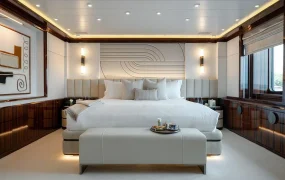
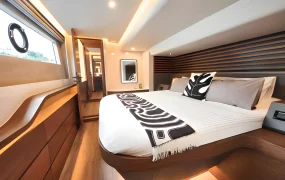
The interior design of a custom yacht is where personal expression truly comes to life. Working with specialized yacht interior designers, you select everything from the general layout of cabins and living spaces to the specific materials, finishes, colors, and furnishings used throughout the vessel.
Modern custom yachts in Dubai incorporate the latest in smart home technology, allowing owners to control lighting, climate, entertainment, and security systems from a single interface. Open plan living areas, full beam master suites, dedicated spa areas, and gourmet galleys are among the most popular features requested by buyers in the Dubai market.
Choosing the Right Shipyard for Your Custom Yacht in Dubai
Selecting the right shipyard is one of the most consequential decisions in the custom build process. Dubai’s proximity to several world class shipyards, both within the UAE and in neighboring regions, gives buyers access to a wide range of options.
Local and Regional Shipyard Options
The UAE is home to several reputable shipyards that specialize in custom yacht construction. These facilities offer the advantage of proximity, allowing owners based in Dubai to visit the build site regularly and maintain close oversight of the project. Regional shipyards in Turkey, Italy, the Netherlands, and Germany are also popular choices among Dubai based buyers, each offering distinct strengths in terms of construction methods, design philosophies, and price points.
Evaluating Shipyard Credentials
When evaluating potential shipyards, buyers should consider the yard’s track record, the quality of previous builds, the skill level of the workforce, the availability of project management services, and the yard’s financial stability. Visiting the shipyard, inspecting yachts currently under construction, and speaking with previous clients are all valuable steps in the selection process.
“Choosing a shipyard is like choosing a partner for a multi year journey. You need confidence in their capabilities, trust in their integrity, and assurance that they share your commitment to quality. We guide our clients through this selection process with the same care we apply to every aspect of the yacht buying experience.” — Julian De Graaf, Co Founder, Elite Rentals Dubai
Materials and Construction Methods for Custom Yachts
The choice of construction materials and methods has a profound impact on the yacht’s performance, durability, maintenance requirements, and overall value. Understanding the options available helps owners make informed decisions that align with their priorities.
Fiberglass (GRP) Construction
Fiberglass, or glass reinforced plastic, is the most common material used in yacht construction for vessels up to approximately 40 meters. It offers excellent durability, relatively low maintenance, and a favorable cost to performance ratio. Advanced construction techniques such as vacuum infusion and resin transfer molding produce hulls that are stronger, lighter, and more consistent than traditional hand layup methods.
Aluminum Construction
Aluminum is the preferred material for larger custom yachts and explorer vessels. It is lighter than steel, resistant to corrosion, and allows for complex hull shapes. Aluminum construction requires specialized welding skills and equipment, but the resulting vessels are strong, lightweight, and well suited for long range cruising in demanding conditions.
Steel Construction
Steel remains the material of choice for the largest superyachts and expedition vessels. It offers unmatched structural strength and the ability to withstand impacts and harsh conditions. While heavier than aluminum, steel is less expensive and easier to repair. Many custom superyachts use a combination of a steel hull for strength and an aluminum superstructure for weight savings.
Carbon Fiber and Advanced Composites
For performance oriented yachts, carbon fiber and advanced composite materials offer the ultimate in strength to weight ratio. These materials are significantly more expensive than traditional options but deliver superior performance, particularly for racing yachts and high speed cruisers. The use of carbon fiber in custom yacht construction has expanded significantly in recent years as manufacturing techniques have improved and costs have become more manageable.
Technology and Innovation in Custom Yacht Builds
The custom yacht market in Dubai embraces cutting edge technology, and buyers commissioning new builds have access to the latest innovations in marine engineering, propulsion, and onboard systems.
Hybrid and Electric Propulsion
Environmental consciousness is increasingly important to yacht owners, and hybrid propulsion systems are becoming a popular choice for custom builds. These systems combine traditional diesel engines with electric motors and battery banks, allowing the yacht to operate in zero emission electric mode in sensitive marine environments and switch to diesel power for longer passages. Some custom yachts are now being built with fully electric propulsion systems for coastal and harbor use.
Advanced Navigation and Automation
Modern custom yachts feature integrated bridge systems that combine radar, chartplotters, autopilot, collision avoidance, and communication equipment into a unified platform. Dynamic positioning systems allow the yacht to maintain its position without anchoring, and advanced stabilization systems ensure comfort in all sea conditions. Automation extends to engine monitoring, fuel management, and even routine maintenance scheduling, reducing the workload on crew and enhancing safety.
Smart Yacht Systems
The concept of the smart yacht has evolved rapidly, with custom builds incorporating comprehensive automation platforms that control every aspect of the onboard environment. From automated lighting scenes and climate zones to remote monitoring via smartphone apps, smart yacht technology enhances comfort, efficiency, and security. Owners can monitor their vessel’s systems from anywhere in the world and receive alerts for any issues that require attention.
Budgeting and Timeline for a Custom Yacht Build
Understanding the financial and time commitments involved in a custom yacht build is essential for setting realistic expectations and managing the project effectively.
Cost Factors and Budget Planning
The cost of a custom yacht depends on numerous factors including size, materials, complexity of design, onboard systems, interior finishes, and the shipyard selected. As a general guideline, custom yacht builds in the 20 to 30 meter range typically start from approximately AED 10 million and can reach AED 50 million or more for highly specified vessels. Superyachts above 40 meters regularly exceed AED 100 million.
It is important to budget for contingencies, as custom projects often encounter changes and additions during the build process. A contingency allowance of 10 to 15 percent of the total budget is standard practice. Additional costs such as classification fees, insurance during construction, project management, and delivery expenses should also be factored into the overall budget.
Construction Timeline
The timeline for a custom yacht build varies significantly depending on the size and complexity of the project. A 20 meter custom yacht typically requires 18 to 24 months from contract signing to delivery. Larger yachts in the 30 to 50 meter range may take 24 to 36 months, while superyachts above 50 meters can require three to five years or more.
“We help our clients establish realistic expectations for both budget and timeline from the very beginning. Transparency about costs and schedules builds trust and ensures that the journey of building a custom yacht remains enjoyable and exciting rather than stressful.” — Miss Sara, Booking Manager, Elite Rentals Dubai
Quality Assurance and Build Supervision
Maintaining quality throughout the construction process requires active oversight and rigorous quality assurance protocols. Many buyers engage independent project managers or owner’s representatives to supervise the build on their behalf.
Regular Build Inspections
Scheduled inspections at key milestones during construction allow the owner or their representative to verify that work is progressing according to specification. These inspections typically coincide with major construction stages such as hull completion, engine installation, systems integration, and interior outfitting. Any deviations from the approved plans are identified and addressed promptly.
Classification Society Oversight
Many custom yachts are built to the standards of a recognized classification society such as Lloyd’s Register, Bureau Veritas, or RINA. Classification provides an independent verification that the yacht meets established standards for structural integrity, safety, and performance. Class certification can also be beneficial for insurance, resale value, and international operation.
Frequently Asked Questions About Custom Built Yachts in Dubai
How much does it cost to build a custom yacht in Dubai?
The cost of building a custom yacht varies widely based on size, materials, and specifications. Entry level custom yachts in the 15 to 20 meter range start from approximately AED 5 million, while mid range custom yachts of 25 to 35 meters typically cost between AED 15 million and AED 60 million. Superyachts above 40 meters can exceed AED 100 million. These figures include design, construction, and basic outfitting but may not include optional extras, delivery costs, or contingency allowances.
How long does it take to build a custom yacht?
Construction timelines depend on the size and complexity of the yacht. A smaller custom yacht of 15 to 20 meters typically takes 12 to 18 months. Mid range yachts of 25 to 35 meters require 18 to 30 months. Larger superyachts can take three years or more from initial design to final delivery.
Can I make changes during the construction process?
Yes, changes can generally be accommodated during construction, though they may affect the timeline and budget. Changes are easiest and least costly to implement during the early stages of construction. Once systems are installed and interiors are being fitted, changes become more complex and expensive. A formal change order process is typically established in the build contract to manage modifications.
Do I need to visit the shipyard during construction?
While not strictly required, regular visits to the shipyard are highly recommended. Most owners visit at key milestones such as keel laying, hull completion, launching, and sea trials. If you cannot visit in person, Elite Rentals Dubai can arrange for professional project management and provide regular progress reports with photos and videos.
What warranty comes with a custom built yacht?
Custom yacht warranties vary by shipyard but typically include a structural warranty of five to ten years on the hull and a two to five year warranty on mechanical and electrical systems. Interior furnishings and finishes may have shorter warranty periods. The specific terms are negotiated as part of the build contract and should be reviewed carefully before signing.