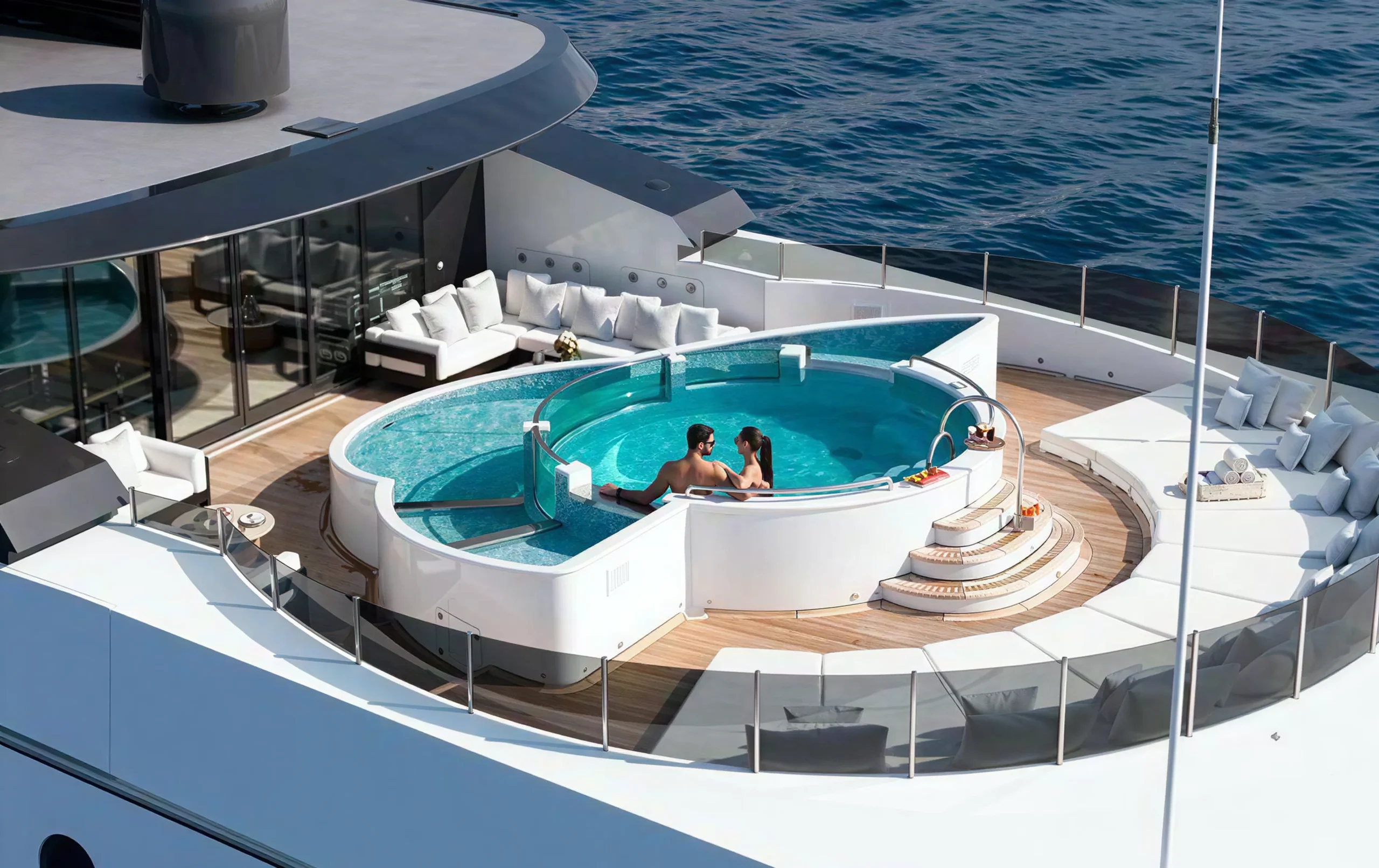
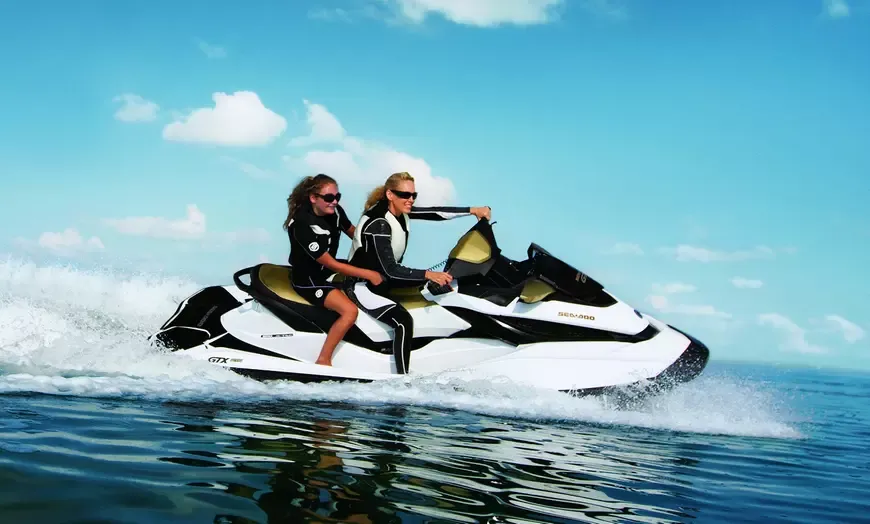
The UAE maritime industry has entered one of its most dynamic phases in 2026, driven by record investment, government vision, and a growing global appetite for luxury on water. From new mega marinas in Abu Dhabi to advanced shipbuilding facilities in Ras Al Khaimah, the entire country is experiencing a maritime transformation that is capturing the attention of investors, yacht owners, and industry leaders around the world.
For decades, the UAE has positioned itself as a global hub for trade, tourism, and luxury living. The maritime sector has always played a supporting role in that story, but in 2026, it has moved firmly to center stage. Government spending on port infrastructure, private sector investment in marina developments, and a surge in yacht ownership have combined to create an industry that is not only growing but accelerating at a pace that few predicted even five years ago.
Government Initiatives Driving the UAE Maritime Industry Forward
The federal government and individual emirate authorities have rolled out a series of initiatives designed to position the UAE as a top five global maritime nation by 2030. These programs span logistics, shipbuilding, tourism, and regulatory reform, and they are already producing measurable results.
The Abu Dhabi Maritime Strategy, launched in late 2024, has allocated over 3 billion AED toward port modernization and the development of dedicated yacht zones along the capital’s coastline. Dubai Maritime City continues to expand, with Phase 3 now adding commercial berths, repair facilities, and a dedicated superyacht servicing area that will accommodate vessels up to 100 meters in length.
Sharjah has invested heavily in its Hamriyah Free Zone, creating incentives for international shipbuilders and marine equipment manufacturers to establish regional headquarters. The result is a growing cluster of maritime businesses that are creating jobs, generating exports, and raising the profile of the UAE maritime industry on the world stage.
“The pace of growth in the UAE maritime sector is extraordinary. We are seeing clients from Europe, Asia, and the Americas choosing the UAE as their home port, and that tells you everything about where this industry is headed.” — Kristan De Graaf, Co-Founder, Elite Rentals Dubai
New Marina Developments Reshaping the Coastline
Marina construction is one of the clearest indicators of industry health, and the UAE is building at a remarkable rate. In 2026, at least seven major marina projects are either under construction or in advanced planning stages across the country.
Dubai Harbour, already one of the largest marinas in the Middle East, has completed its western expansion, adding 250 new berths specifically designed for vessels between 30 and 60 meters. The project includes a dedicated customs clearance facility, fuel station, and a yacht provisioning center that allows owners to stock their vessels without leaving the marina complex.
In Abu Dhabi, the Yas Marina expansion has doubled its capacity, making it one of the largest marina facilities in the Gulf region. The new berths feature smart metering for water and electricity, high speed fiber optic connections, and integrated waste management systems that meet the latest environmental standards.
Ras Al Khaimah has entered the marina market with the Al Marjan Island Marina, a boutique facility designed to attract owners of mid range yachts who are looking for a quieter alternative to the busy Dubai waterfront. The marina offers competitive berth fees, excellent maintenance services, and direct access to some of the most beautiful cruising waters in the northern Emirates.
Infrastructure Investment Numbers
Total infrastructure spending on maritime projects across the UAE exceeded 12 billion AED in 2025, and projections for 2026 suggest that figure will rise by at least 15 percent. This includes port facilities, marinas, shipyards, and maritime training centers. The scale of investment reflects the strategic importance that federal and emirate governments place on the maritime sector as a pillar of economic diversification.
The Yacht Market Is Booming
Yacht sales in the UAE have risen for four consecutive years, and 2026 is on track to set a new record. Brokers report strong demand across all segments, from entry level motor yachts in the 40 foot range to custom built superyachts exceeding 80 meters.
Several factors are driving this growth. First, the UAE’s tax environment remains one of the most favorable in the world for yacht ownership. There is no annual property tax on vessels, no income tax on charter revenue, and import duties on yachts registered in free zones are either reduced or eliminated entirely.
Second, the quality of life in the UAE continues to attract high net worth individuals from around the world. Many of these individuals view yacht ownership as a natural extension of their lifestyle, and the availability of world class marinas, year round sunshine, and a vibrant social calendar makes the UAE an obvious choice for home porting.
Third, the secondary market for pre owned yachts is maturing rapidly. Buyers who might have hesitated to purchase a new build can now find well maintained, survey ready vessels at competitive prices. This has opened the market to a broader demographic, including younger buyers and family groups who are entering yacht ownership for the first time.
If you are considering entering this market, exploring options for a yacht for sale Dubai is an excellent starting point to understand what is available across different size categories and price ranges.
“We have noticed a significant increase in inquiries from first time buyers who live in the UAE and want to own rather than rent. The market is responding with more options at accessible price points, and that is healthy for the entire industry.” — Julian De Graaf, Co-Founder, Elite Rentals Dubai
Shipbuilding and Repair Capabilities
The UAE is no longer just a destination for yachts built elsewhere. Domestic shipbuilding capabilities have grown substantially, with several yards now producing vessels that compete on quality with established European builders.
Gulf Craft, based in Umm Al Quwain, remains the flagship builder, producing the Majesty and Nomad lines that have gained international recognition. The company has expanded its production capacity and introduced new models in the 40 to 120 foot range that are designed specifically for the regional market, with features like enhanced air conditioning, extended sun decks, and shallow draft hulls suited to Gulf waters.
Smaller yards in Ajman and Sharjah have carved out niches in commercial vessel construction, fishing boats, and military patrol craft. Several of these yards have begun offering yacht refit and conversion services, allowing owners to upgrade older vessels with modern systems, new interiors, and improved propulsion technology.
The repair and maintenance sector has also expanded. Dubai Maritime City’s dry dock facilities can now handle vessels up to 85 meters, and turnaround times for routine maintenance have improved significantly thanks to better parts availability and a growing pool of skilled marine technicians.
Maritime Tourism and Charter Industry Growth
The charter industry in the UAE has experienced double digit growth every year since 2022, and 2026 is continuing that trend. Tourists and residents alike are choosing yacht charters for corporate events, family celebrations, sunset cruises, and multi day coastal adventures.
This growth has created a virtuous cycle for the broader UAE maritime industry. Higher charter demand leads to more yacht purchases, which drives marina expansion, which attracts more visitors, which generates more charter bookings. The economic multiplier effect is significant, supporting jobs in hospitality, marine services, provisioning, fuel supply, and tourism operations.
Dubai Tourism has actively promoted the city’s waterfront lifestyle in its international marketing campaigns, featuring yacht experiences alongside traditional attractions like the Burj Khalifa and the Dubai Mall. This integration of maritime tourism into the city’s overall brand has been remarkably effective at attracting visitors who might not have considered a yacht experience as part of their trip.
Charter Fleet Composition
The charter fleet in the UAE has diversified considerably. Alongside traditional motor yachts, operators now offer sailing yachts, catamarans, luxury dhows, and even electric powered vessels for eco conscious clients. This diversity ensures that there is a charter option for virtually every budget and occasion, from a two hour harbor cruise to a week long expedition along the East Coast.
Regulatory Environment and Ease of Doing Business
One of the most important factors behind the growth of the UAE maritime industry is the regulatory environment. The country has worked hard to create a legal and administrative framework that is transparent, efficient, and welcoming to international investors and yacht owners.
Vessel registration processes have been streamlined, with most registrations now completed within five working days. The UAE Ship Classification and Survey Department has adopted international standards for safety and environmental compliance, making it easier for vessels to move between UAE ports and international destinations without additional inspections.
Free zone authorities have introduced specialized maritime licenses that allow companies to operate yacht sales, charter, management, and brokerage businesses with minimal bureaucracy and competitive fee structures. These licenses have attracted hundreds of new companies to the UAE, further strengthening the maritime ecosystem.
“Clients appreciate how straightforward it is to buy and register a yacht in the UAE. The process is clear, the costs are predictable, and the support from authorities is excellent. That ease of doing business is a major competitive advantage.” — Miss Sara, Booking Manager, Elite Rentals Dubai
Sustainability and Green Maritime Initiatives
The UAE maritime industry is also embracing sustainability. Several marinas have earned Green Marina certifications, and new developments are required to incorporate renewable energy, water recycling, and waste management systems from the design stage.
The government has introduced incentives for hybrid and electric vessel adoption, including reduced registration fees and priority berthing at selected marinas. Several charter operators have added hybrid yachts to their fleets, responding to growing client demand for environmentally responsible experiences.
Research institutions, including the Khalifa University of Science and Technology, are conducting studies on marine habitat restoration, water quality monitoring, and the impact of maritime activity on coastal ecosystems. These research programs inform policy decisions and help ensure that industry growth does not come at the expense of environmental health.
Workforce Development and Maritime Education
A growing industry needs a skilled workforce, and the UAE is investing accordingly. The UAE Maritime Academy in Sharjah has expanded its programs to include yacht management, marine engineering, and maritime law. The academy graduates hundreds of students each year, many of whom go directly into positions at marinas, shipyards, and yacht management companies across the country.
International maritime training providers have also established a presence in the UAE, offering specialized courses in areas like superyacht crew training, marine surveying, and yacht brokerage. This investment in human capital is essential for sustaining the industry’s growth trajectory and maintaining the high standards that international clients expect.
Frequently Asked Questions About the UAE Maritime Industry
How large is the UAE maritime industry in 2026?
The UAE maritime industry contributes an estimated 90 billion AED to the national economy in 2026, encompassing port operations, shipbuilding, yacht sales and charter, marine services, and maritime tourism. The sector employs over 60,000 people directly and supports tens of thousands of additional jobs in related industries.
What is driving yacht sales growth in the UAE?
Yacht sales growth is driven by favorable tax conditions, world class marina infrastructure, year round cruising weather, and a growing population of high net worth residents who view yacht ownership as part of their lifestyle. The maturation of the pre owned yacht market has also made ownership accessible to a broader range of buyers.
Are there government incentives for maritime businesses in the UAE?
Yes. Free zone authorities offer specialized maritime licenses with competitive fee structures, reduced import duties on vessels and equipment, and streamlined registration processes. The government also provides incentives for green maritime technology adoption and has invested heavily in port and marina infrastructure.
How does the UAE maritime industry compare to other global hubs?
The UAE ranks among the top ten maritime nations globally by port throughput and is rapidly climbing the rankings in yacht sales, marina capacity, and shipbuilding output. Its strategic location between Europe, Asia, and Africa gives it a natural advantage as a maritime crossroads.
What role does sustainability play in the UAE maritime sector?
Sustainability is increasingly central to the UAE maritime strategy. New marina developments must meet green building standards, the government offers incentives for hybrid and electric vessels, and research institutions are actively studying marine ecosystem health. Several marinas have already earned international Green Marina certifications.
Looking Ahead
The UAE maritime industry in 2026 is not just growing. It is transforming. The combination of government vision, private sector investment, regulatory efficiency, and geographic advantage has created a maritime ecosystem that rivals the best in the world. For yacht buyers, investors, and maritime professionals, the UAE offers opportunities that are difficult to match anywhere else on the planet. The momentum is real, the infrastructure is being built, and the future of maritime excellence in the UAE has never looked brighter.